
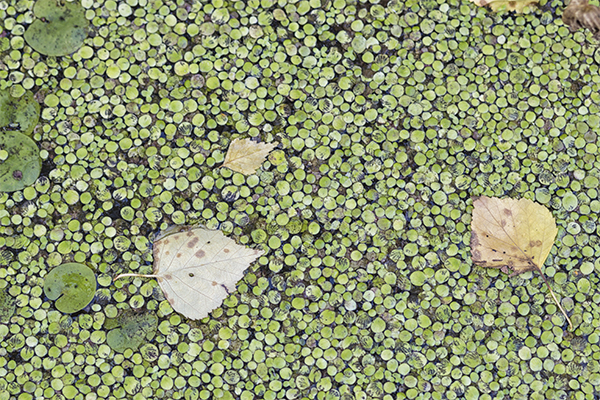
Duckweed is a very small green plant. It floats on still water and looks like little leaves on top. Many ponds and lakes have it. Some people like how it looks; some say it makes trouble. The truth is between both. It can help water life but also hurt it if too much grows.
What Is Duckweed?
Duckweed is one of the smallest plants that have flowers, but the flowers are very tiny, almost invisible. The plant body is like a small green plate, soft and flat. From it go one or two little roots down into water.
It floats on the surface and moves with the wind. When water is rich with nutrients, it grows fast. If a pond has fish food, fertilizer, or waste, duckweed finds it and uses it to multiply. In clean natural ponds, it grows slowly and stays thin on top, not too thick.
Many kinds of duckweed exist, with different sizes and colors. Some are bright green, some darker. But all behave in a similar way–they like calm water and warm sun.
Why Duckweed Can Be Good
Duckweed is not the only problem. In nature it helps a lot. In small amounts, it makes balance. The pond becomes more quiet and more safe for animals. Below are things that show duckweed can be useful.
- Shade for water: it stops strong sun and keeps the temperature lower. Fish and frogs like this.
- Food for animals: Ducks, fish, and snails eat duckweed. It has protein and vitamins.
- Cleaner water: the plant drinks bad nutrients like nitrate and phosphate.
- Protection for babies: small fish hide under duckweed from birds.
- Stops algae: by blocking light, it slows green algae that can be worse.
When duckweed covers only part of the water, it makes the pond look alive and healthy. Many natural ponds have it and stay fine for years.
When Duckweed Becomes Too Much
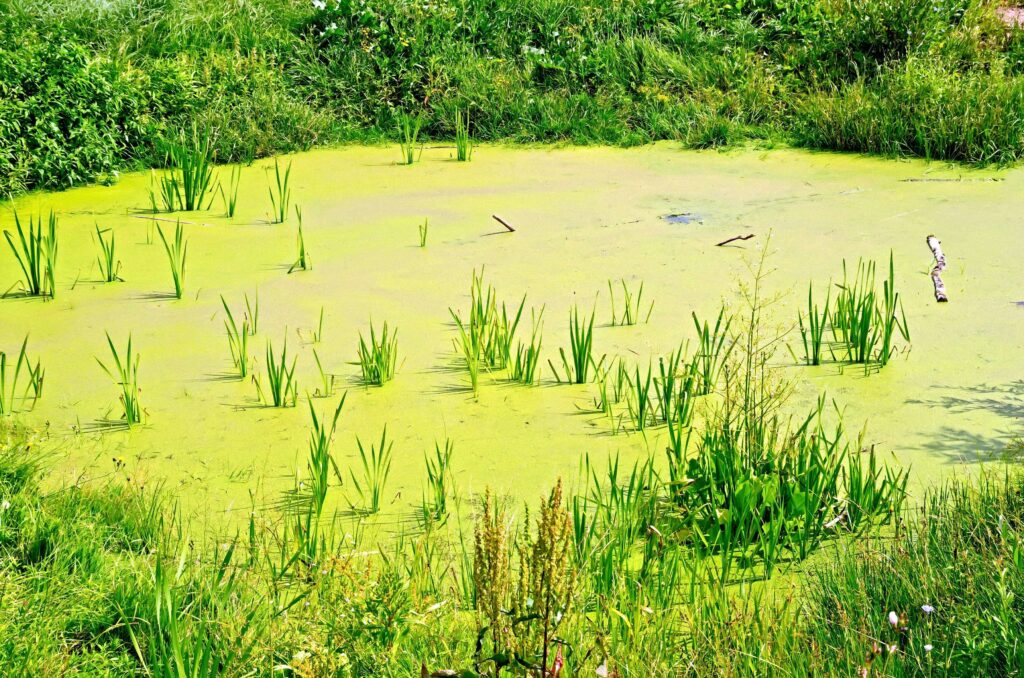
Sometimes duckweed grows too fast. Then the pond looks like a green carpet, with no water visible. This can become a serious problem. The sunlight cannot go down. Other plants under water die. When they die, they rot and use oxygen.
Fish and other creatures start to suffocate. Water begins to smell bad. Birds avoid it because they cannot see land or drink water. If people swim or row in such a pond, it feels dirty and slippery.
Too much duckweed often means something is wrong in the water. Maybe too much food for fish, or fertilizer from the garden, goes inside the pond. When the food for plants increases, duckweed takes it first. It shows signs that water has too many nutrients.
To make balance again, people need to remove some duckweed and also fix what causes it. Without that, it will come back soon.
Duckweed in the Environment
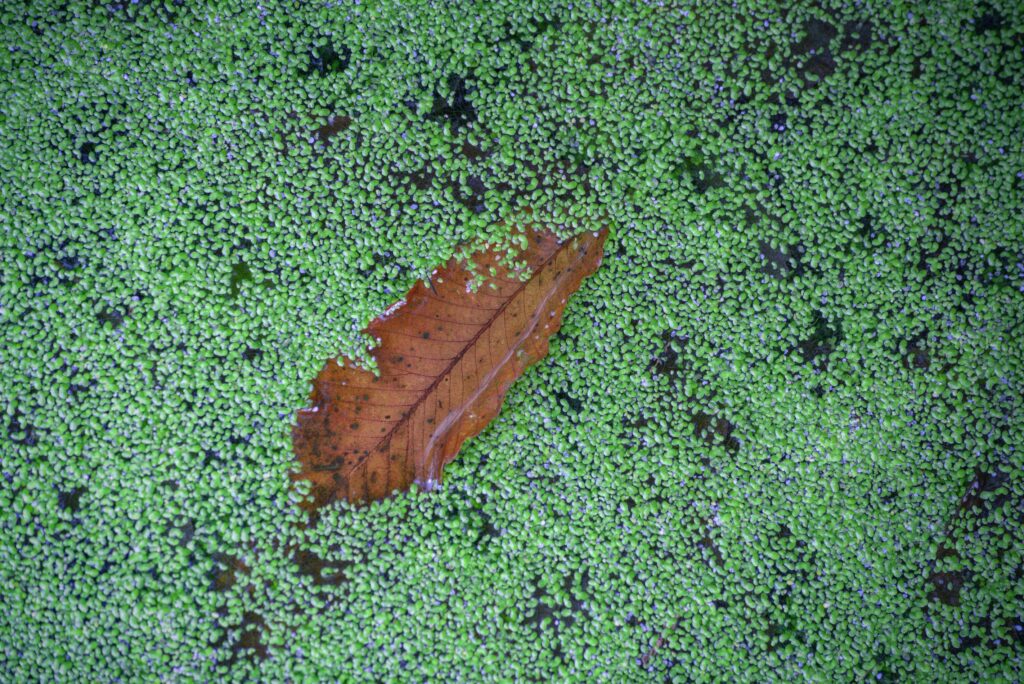
In natural rivers and big ponds, duckweed works differently. There it helps to clean water by taking extra nutrients before they go downstream. It protects small animals and insects from strong light.
It is also food for many water birds. Frogs hide between leaves. Some people think duckweed makes ponds look alive, like real nature, not just human gardens.
Scientists study duckweed because it grows fast and easily. It shows how pollution changes water. If water is dirty, duckweed becomes thick. If water is clean, it grows slowly. So duckweed can tell a story about what happens in a pond.
Controlling Duckweed in Ponds
In small garden ponds duckweed can be a problem, but control is possible. It is not smart to kill it with chemicals because that also hurts fish. There are simple ways to keep it less.
- Remove by hand: use a net or bucket to take it out from the surface.
- Move the water: pumps or fountains make waves, and duckweed does not like moving water.
- Feed fish less: leftover food becomes plant food and helps duckweed grow.
- Grow big plants: water lilies or reeds take nutrients first, leaving less for duckweed.
- Bring nature balance: some fish, like koi, eat it slowly and help control it.
The best way is to do a little cleaning often, not all at once. If removed all, water may bloom with algae instead. Balance is always better than zero.
Duckweed as a Useful Resource
Duckweed can also be good material for people. Many farmers use it as natural feed for animals. It grows fast and has protein, so chickens, ducks, and pigs can eat it dry or fresh.
Some researchers think people can eat duckweed too. In some Asian countries it is already used in soups. It tastes like spinach and grows faster.
Duckweed is also used to clean dirty water in big tanks. It drinks bad elements and leaves cleaner water behind. After that, plants can be collected and used as compost.
So, even if duckweed sometimes looks like a problem, it can also help humans, animals, and land.
Human Views and Beliefs
People think differently about duckweed. Some hate it, saying it makes the pond ugly, smell bad, and cover all. Others like it and say it makes the pond natural and calm.
In gardens, a small part of duckweed gives a nice look–a green mirror on top. Frogs jump from leaf to leaf, and dragonflies fly above. Children find it funny because it moves when you touch it.
The main idea is not to remove everything but to keep control. Water should show some open space but not be empty. In wild places duckweed is normal. Only in small closed ponds does it need help.
Duckweed and Science
Science sees duckweed as a smart plant for many uses. It takes carbon from air fast and grows faster than most crops. It can be used for biofuel, cleaning water, or studying climate.
In school, teachers use it to show how plants live. Students can grow it in glass jars and see how light and food change growth. It shows how life reacts to the environment.
It is small and simple but powerful. That is why scientists call it a “green miracle.” Maybe in the future it will help make cheap, clean food or energy.
Keeping Pond in Balance
To keep a pond healthy, duckweed must stay under control but not be gone. The pond needs a mix of plants and animals to stay alive. If duckweed grows too fast, clean part of it and check the reason why.
Small steps make a big difference:
- Watch the pond each week and see how much cover grows.
- Take out part with net, but leave some for animals.
- Stop using fertilizer near water.
- Make some movement with a pump or waterfall.
- Add new plants that take food from water.
If all is done slowly and with care, the pond will look natural and not die. Duckweed will become part of life, not an enemy.
The Balance Between Green and Clear
Duckweed is not a monster and not an angel. It is a small plant that wants to live. When in the right amount, it brings beauty and calm. When there is too much, it hides life below.
It shows how delicate the water world is. Small things can change everything. The secret of a good pond is the same as for nature–balance. Too little or too much breaks it.
If people understand this and care with patience, the pond stays clean, the fish are happy, and the duckweed is only a gentle green touch on the surface. It is not about fighting with nature, but living together in simple harmony.