
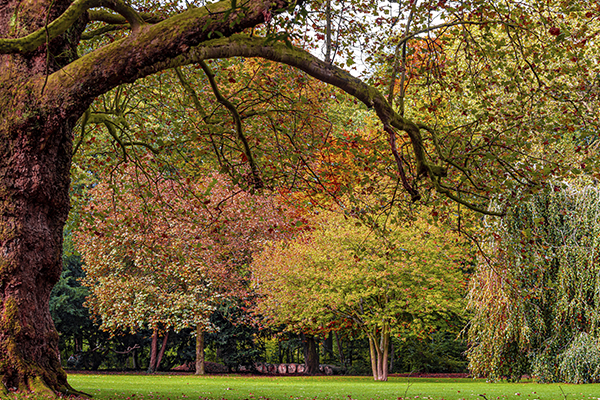
Broomfield Park is a public green space in Palmers Green, London Borough of Enfield. It has a long story and a strong community around it. The park is known for its wide lawns, ornamental gardens, three ponds, and friendly volunteers who care about it.
Early History and Development
Broomfield Park comes from an old estate that existed in the early 16th century. The main house, called Broomfield House, was built in the 1500s and changed many times during the years. In the 1800s, the house was rebuilt in Georgian style, with elegant windows and fine wood decoration.
The estate became a public park in 1903 when the local council bought it for people to enjoy. At that time, Palmers Green was growing fast, and there was a need for open space. The park quickly became a favorite place for families, children, and visitors.
During the Second World War, the park also had a role in helping the community. Some areas were used for growing food as part of the “Dig for Victory” campaign.
The Fire and Restoration Efforts
Broomfield House suffered several fires, the first in 1984 and more in 1993 and 1994. These fires destroyed large parts of the structure and left only the outer walls. For many years, local residents hoped for its rebuilding.
Restoration projects have been discussed many times. Local groups like Friends of Broomfield Park and The Broomfield House Trust worked with the council and heritage organizations. Even if the complete restoration has not happened yet, people continue to support the idea of bringing back the house as a museum or community center.
Gardens, Trees, and Ponds
The park covers around 54 acres and includes gardens, play areas, and sports fields. It also has many beautiful trees, such as oaks, chestnuts, and lime trees.
Three ponds sit in the lower part of the park. They were part of the old estate design, giving water for plants and reflecting the house and sky. Today, they are home for ducks, geese, frogs, and fish. Volunteers regularly clean and care for the ponds.
Flora and Fauna of the Park
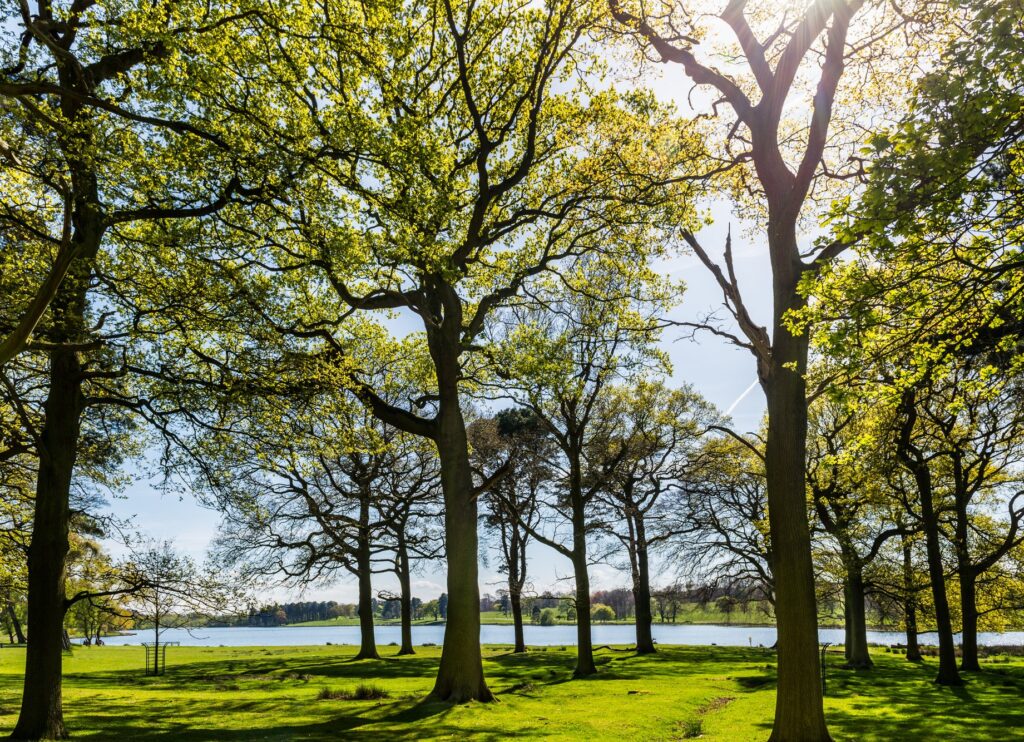
Nature in Broomfield Park is diverse. Many bird species live here, and every season brings something new. You can see robins, woodpeckers, herons, and sometimes even kingfishers near the ponds.
Plants are also rich in variety–from wildflowers to roses and herbs. Volunteers often plant new species to support bees and butterflies. Some areas are left wilder to make natural habitats for insects and small animals.
Common Species Found in the Park
- Trees: oak, sycamore, lime, birch
- Birds: robin, blackbird, heron, parakeet
- Plants: daffodils, bluebells, wild garlic, nettle
This mix of wildlife makes Broomfield Park one of the greenest parts of Palmers Green.
Community and Volunteer Work
One of the strongest sides of Broomfield Park is its people. The Friends of Broomfield Park started in 2010 as a local volunteer group. Their aim is to protect the park and involve residents in nature, gardening, and culture.
They organize cleanup days, tree planting, concerts, and festivals. The group also runs several projects, like the community orchard, the wildflower meadow, and the café.
Volunteer Projects Include
- The Conservatory Restoration–bringing back tropical plants and public visits
- The Community Orchard – planting apple and pear trees for everyone
- The Palmers Greenery Café–a place run by volunteers to serve drinks and cakes
- The Ponds Project – cleaning and managing the ponds’ ecosystem
Every activity helps the park stay alive and open for people of all ages.
Events and Local Life
Broomfield Park often hosts outdoor events. In summer, people enjoy open–air cinema, music shows, and local fairs. There are also yoga classes, children’s workshops, and environmental talks.
The park’s large green area makes it easy to hold community picnics and charity runs. People from the area meet, talk, and share ideas there.
On weekends, many families visit the playground, the ponds, or just walk along the tree paths. Dogs are also welcome, making it one of the most loved parks in North London.
Educational and Environmental Role
The park also has an educational side. Schools visit it for nature lessons, where children learn about plants, insects, and ecology. Workshops often teach recycling, composting, or how to make small gardens at home.
Friends of Broomfield Park often cooperate with Enfield Council and environmental groups. Their goal is to reduce pollution, save energy, and make the park more sustainable.
There is a strong idea that every small action helps–collecting litter, planting trees, or protecting birds’ nests.
Future of Broomfield Park
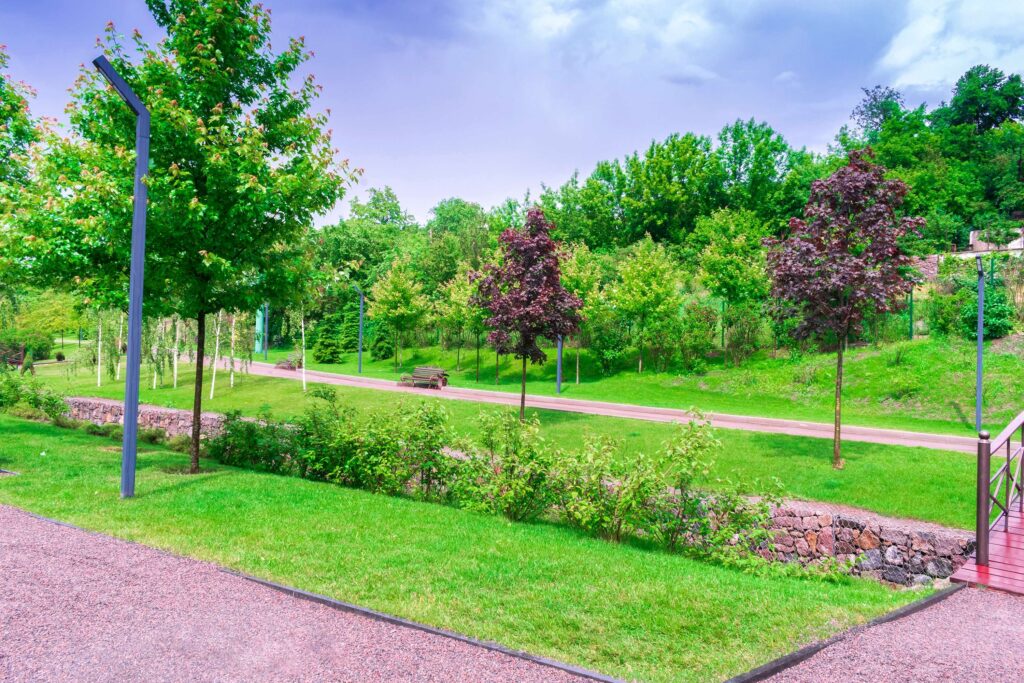
The future of Broomfield Park depends on the balance between history and modern needs. There are plans to restore the house, improve the playground, and expand the natural habitats.
People hope the park will continue to be free and open. The main wish is to keep its spirit–peaceful, natural, and full of community life.
The volunteers’ continuous effort and love show that this park is more than land with grass. It is a living story that connects generations of Palmers Green residents.
Visiting the Park
Broomfield Park is easy to reach by train, bus, or on foot. It is located near Palmers Green station and has several entrances around Aldermans Hill and Powys Lane. There are benches, restrooms, and café services.
Visitors can enjoy morning walks, photography, or just sit by the pond watching birds. The park is open all year, offering different colors and moods in every season.